Tattoo removal infection: How to identify warning signs and what to do
A tattoo removal infection is one of the most common concerns after a laser session. The skin requires specific care during the recovery process.
After the session, it is normal to experience redness, mild swelling, sensitivity, and even small blisters or scabs. These symptoms are part of the body’s natural inflammatory response to repair the skin. In most cases, they gradually improve within a few days.
The problem arises when, instead of improving, symptoms worsen. Detecting a tattoo removal infection early is essential to avoid major complications.
Warning signs
You should pay attention if you notice:
- Intense pain that increases over the days
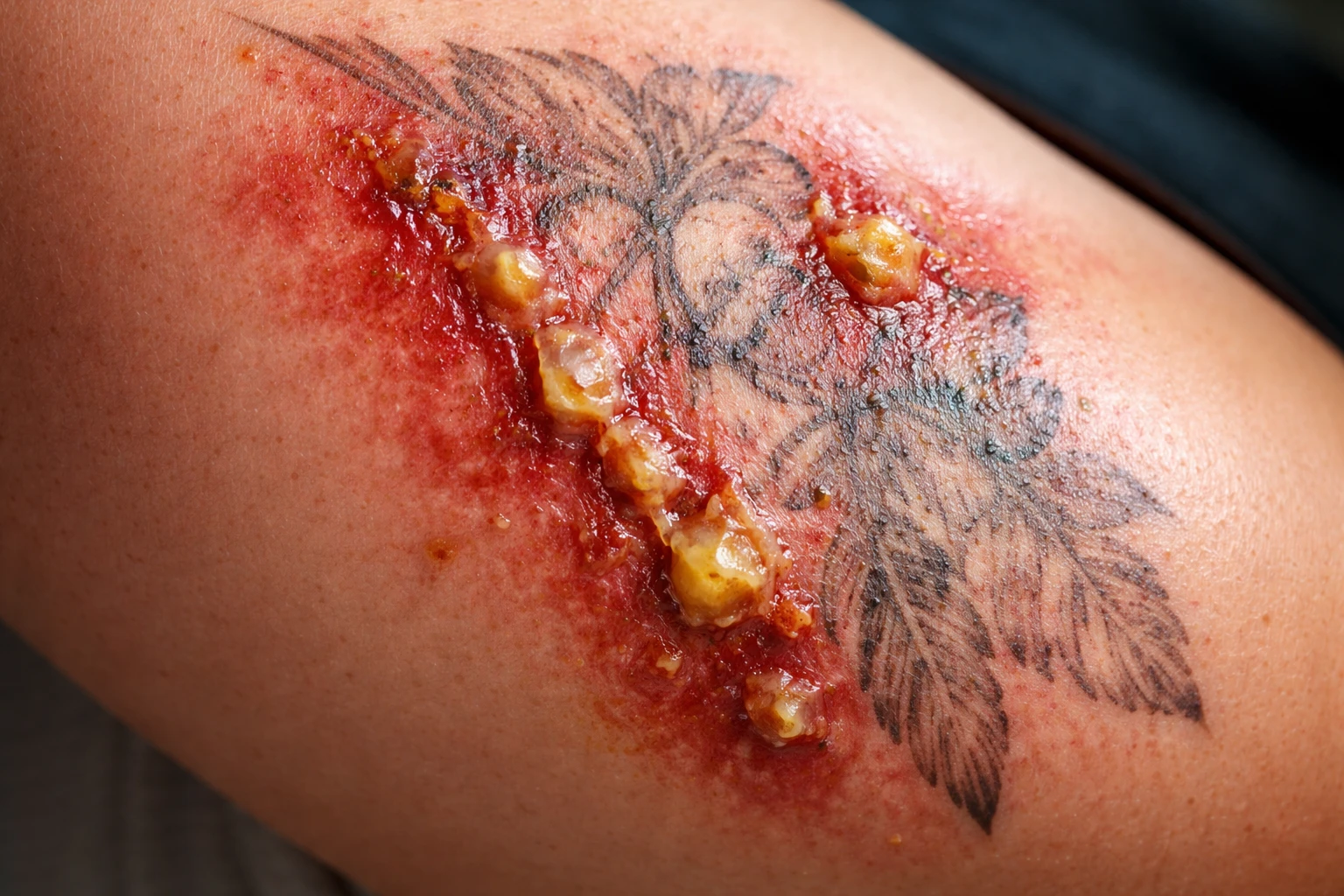
- Redness spreading beyond the treated area
- Excessive warmth in the area
- Significant swelling or hardening
- Yellowish or greenish discharge
- Presence of pus
- Fever or general discomfort
These signs may indicate a bacterial infection and require medical evaluation. Not all discomfort means infection, but when symptoms progress instead of decreasing, it is advisable to seek professional advice.
What to do if you suspect a tattoo removal infection?
First, do not self-medicate or apply home remedies. Antibiotics should not be used without medical prescription.
Proper action includes:
- Cleaning the area with water and mild soap.
- Drying gently without rubbing.
- Contacting your specialist or visiting a healthcare professional.
Early diagnosis allows for fast and effective treatment, preventing permanent marks or delays in future sessions.
How to reduce the risk
To minimize the possibility of a tattoo removal infection, it is essential to:
- Strictly follow aftercare instructions.
- Keep the area clean and dry.
- Avoid scratching or picking scabs.
- Avoid swimming pools, beaches, and gyms during the first days.
- Avoid direct sun exposure.
In the vast majority of cases, when the treatment is performed correctly and aftercare guidelines are followed, recovery progresses without complications.
If in doubt, it is always better to consult. Proper healing is key to achieving a safe and optimal aesthetic result.