Blackout tattoo laser removal: how it works and what to expect
Blackouts are among the most complex tattoos to remove. Dense, heavy ink applied layer by layer. Whether you want to get rid of it completely or just fade it enough for a cover-up, here is the information you need .
What exactly is a blackout tattoo?
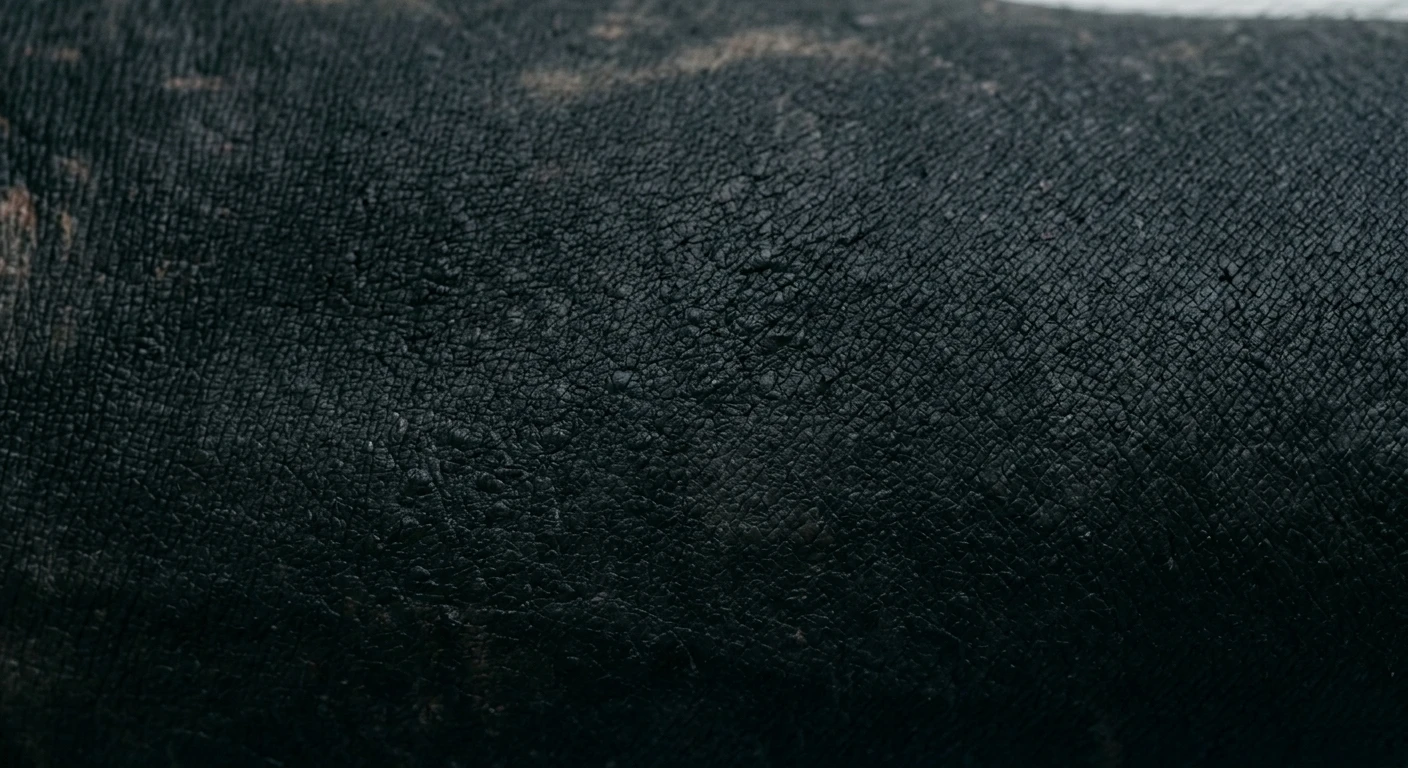
A blackout is a tattoo style where large areas of skin are covered with solid, dense black ink. Sometimes it is created as an artistic piece from the start; other times it is used to cover previous tattoos, scars, or simply as an aesthetic statement.
What sets a blackout apart from a regular black tattoo is the volume and density of the ink. A standard tattoo uses black selectively for lines and shading, whereas a blackout literally saturates the skin with dark pigment, layer after layer. That distinction matters a lot when it comes to removal.

Why do people want to remove or fade a blackout?
Reasons vary: tastes change over time, the result did not turn out as expected, or they simply want a cover-up and need to lighten the area first. Whatever the reason, at Miki Tattoo Killer we do not judge, we help. 😎.
Can a blackout tattoo be removed with laser?
The short answer is: yes. The full answer is: it depends on several factors, which is why we always carry out a personalised assessment before starting any treatment.
Laser works by breaking down ink particles so the body’s lymphatic system can gradually flush them out. With blackouts, the challenge is the sheer amount of ink involved. That means:
- More sessions are needed compared to less saturated tattoos.
- Results are progressive, never instant. Each session fades the ink a little further.
- Skin response varies considerably depending on skin type, tattoo age, ink depth, and the technique used by the original tattooist.
We use up-to-date professional laser technology, LaserLight, which lets us fine-tune each session’s parameters to the actual condition of your tattoo and skin. There is no one-size-fits-all protocol — every blackout is its own case.

How many sessions does blackout removal take?
That is, by far, the question we get asked most. And the honest answer is: we cannot know without seeing you in person. Key factors include:
- Age of the tattoo (older ink tends to respond better to laser)
- How deep the ink was applied
- Whether the blackout was done to cover previous tattoos
- Skin tone and regeneration capacity
- Whether the goal is full removal or just fading for a cover-up
That said, blackouts typically require more sessions than any other tattoo style. We will not tell you it disappears in four sessions. What we can tell you is that the process works, skin responds, and with patience the results come.
👉 ¿Quieres saber cuántas sesiones necesitarías? Pide tu valoración ahora
Remove vs. fade: you do not always have to erase it completely
Full blackout removal is achievable, but it is a long journey. Fading for a cover-up, on the other hand, can require significantly fewer sessions and is an option more and more people are choosing.
Tattoo studios from across Catalonia send us their clients for exactly this: preparing the skin before a new piece. It is not about wiping out all the black, but reducing it enough to give the artist more room to work. If you have a cover-up in mind, tell us from the start and we will tailor the treatment to that goal.
Does it hurt? And what about aftercare?
Laser sessions are uncomfortable, especially in areas with less tissue between skin and bone, like the foot or collarbone. That said, the sensation is manageable and passes quickly. We use methods to make the process as comfortable as possible, and many clients tell us their tolerance improves over time.
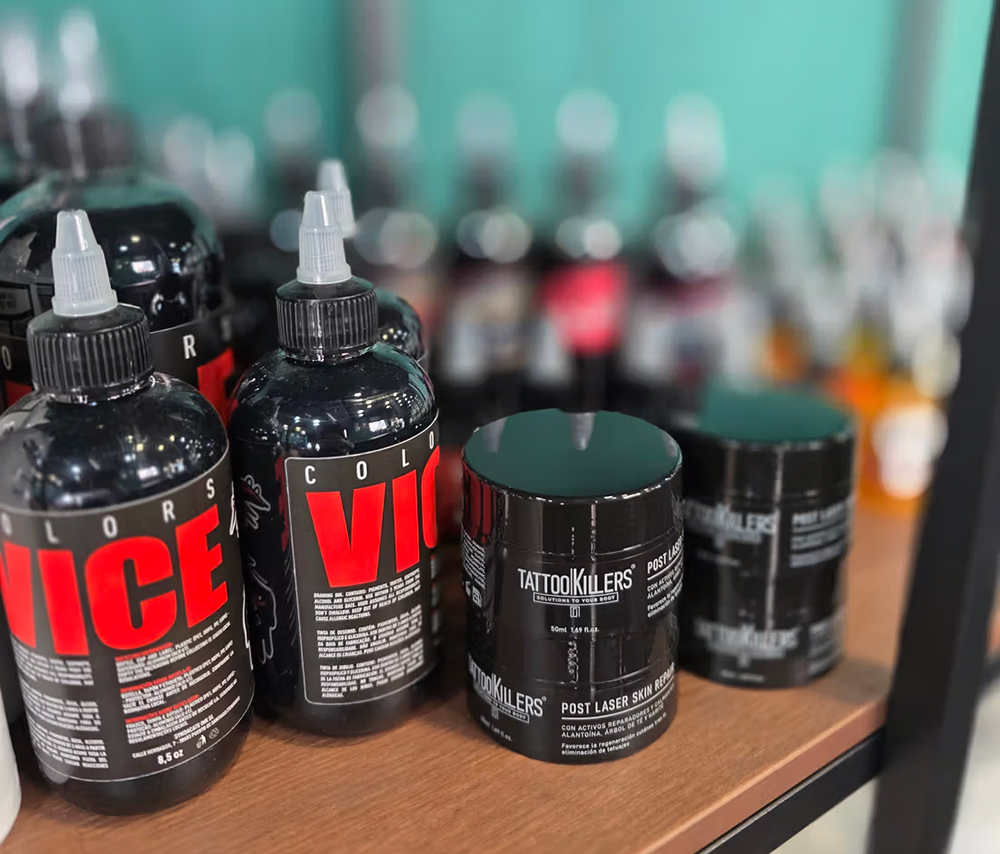
After each session the priorities are: keep the treated area out of the sun, moisturise with the products we recommend, and avoid picking at any scabs that form. Aftercare directly affects the outcome, so we take it seriously — and so should you.
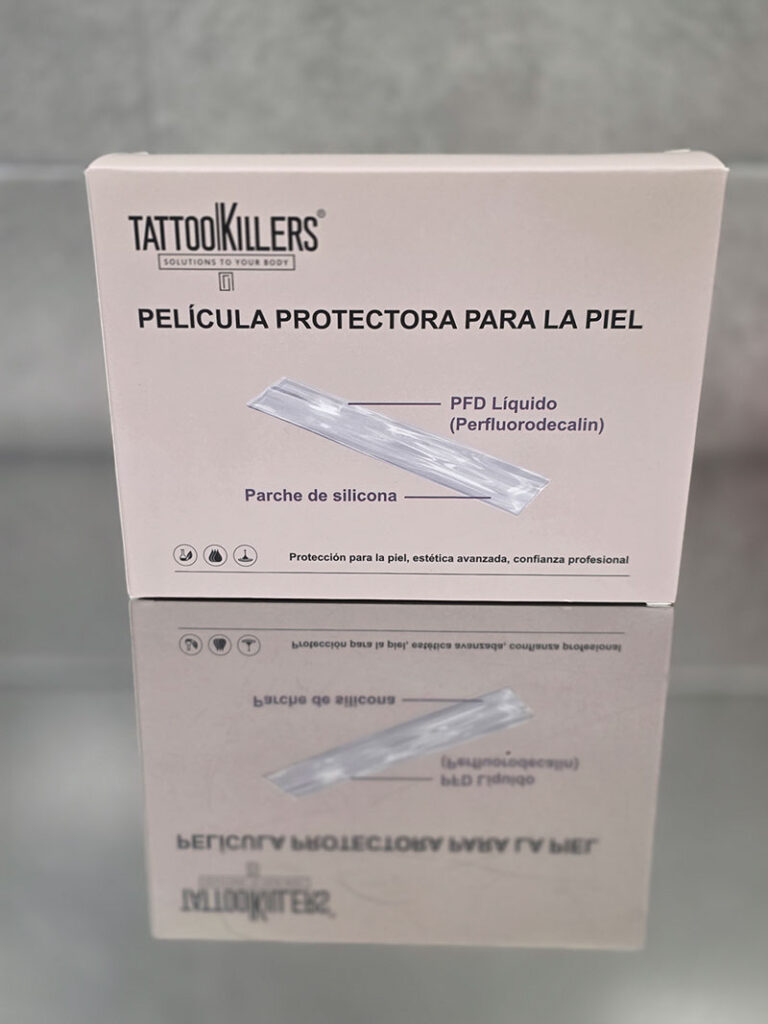
Laser sessions are uncomfortable, especially in areas with less tissue between skin and bone, like the foot or collarbone. That said, the sensation is manageable and passes quickly. We use methods to make the process as comfortable as possible, and many clients tell us their tolerance improves over time.
After each session the priorities are: keep the treated area out of the sun, moisturise with the products we recommend, and avoid picking at any scabs that form. Aftercare directly affects the outcome, so we take it seriously — and so should you.
If you are thinking of eliminating your blackout, contact us for a preliminary consultation, assess your case and design the tr